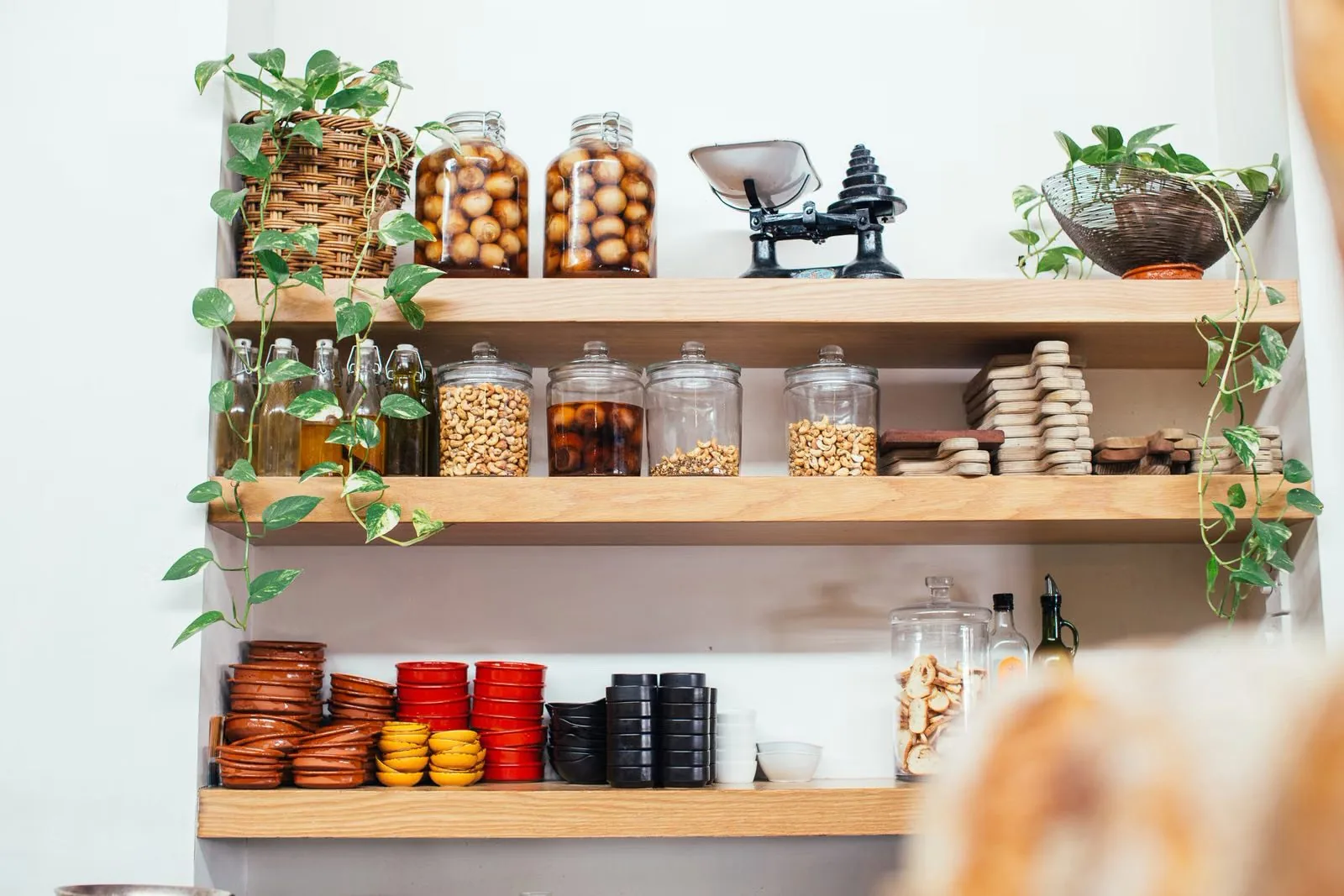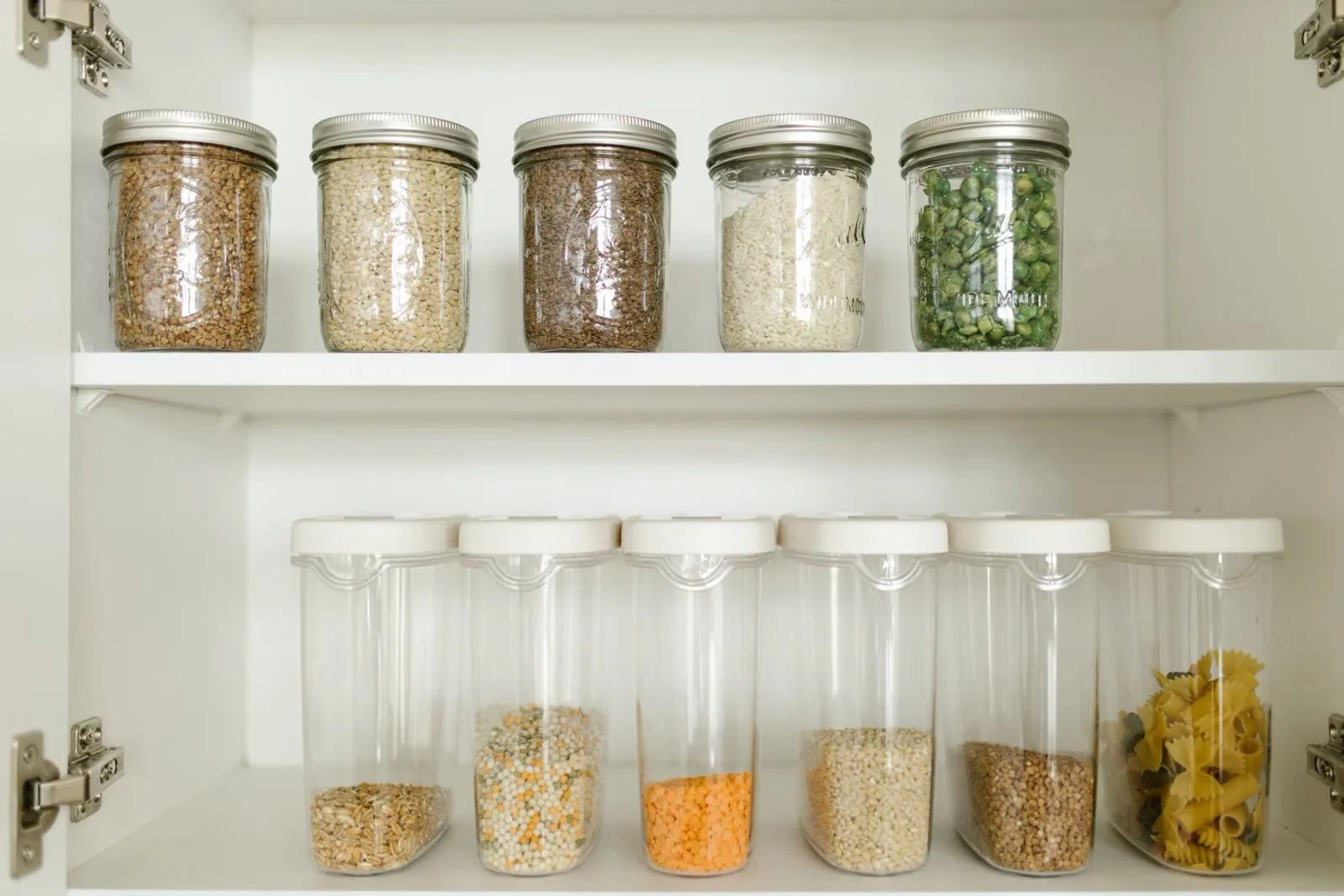
Plates and bowls are the quiet space-eaters of a small rental kitchen. They are heavy, they chip, they only stack so high before the pile wobbles, and in most rental kitchens they live in one shallow cupboard that was never designed for a full set. Learning how to store plates and bowls in a small rental kitchen is not about buying more cupboards — it is about using the cupboard you have differently, with vertical filing, shelf risers, and a clear rule about what lives low and what lives high.
The core idea is simple: plates store best standing on edge, like files in a drawer, and bowls store best in short, stable stacks of three or four. Both need a little protection between them, and both need the daily-use set within easy reach while the occasion set goes up high.
File plates vertically instead of stacking them flat
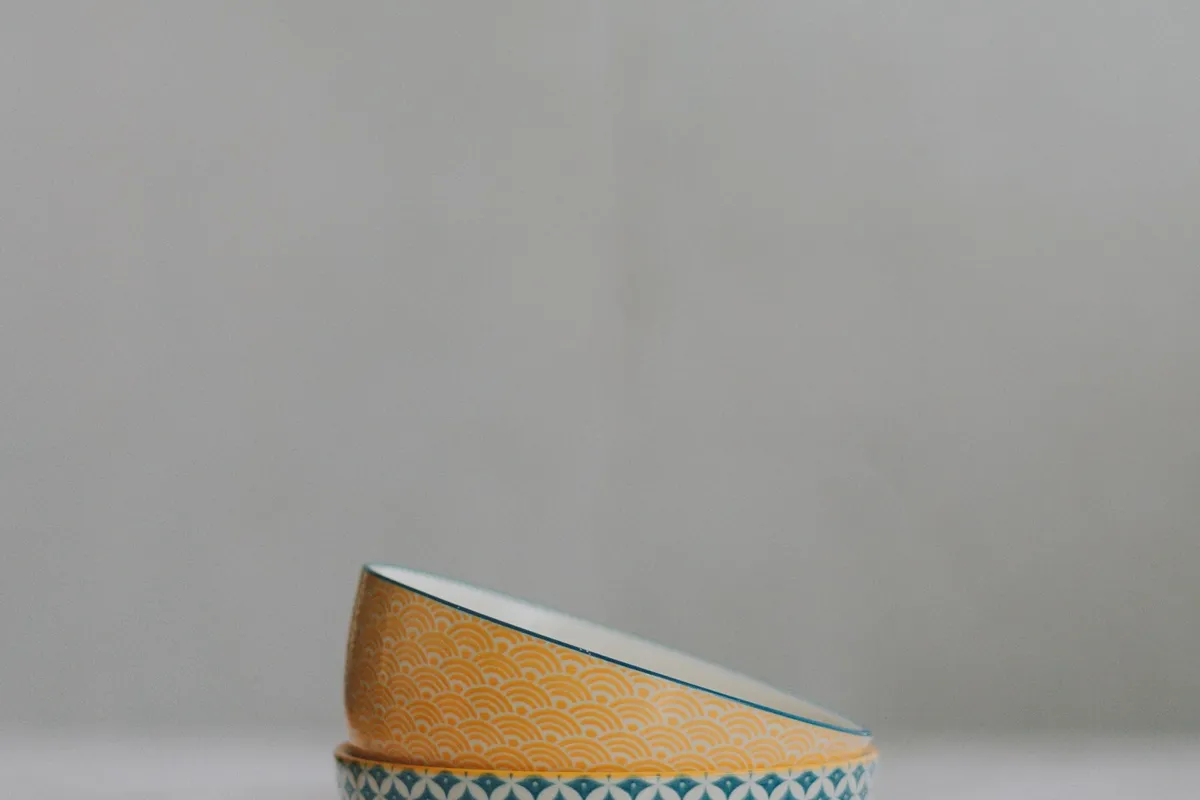
The single biggest improvement you can make is to stop stacking plates flat and start filing them on edge. A flat stack of ten plates is heavy, unstable, and forces you to lift the whole pile to reach the plate you want — which is how plates get dropped and chipped. Filed vertically in a plate rack or a dish organizer, each plate slides out on its own, the weight is spread across the rack instead of pressing down on the bottom plate, and you can see every plate at a glance instead of guessing what is underneath.
A wire or bamboo plate rack costs very little, needs no screws or drilling, and fits inside a standard cupboard or a deep drawer. Set it up so the plates you use every day sit at the front, in the order you reach for them. If your cupboard is too low for a rack, a tension rod or a simple vertical divider across a drawer does the same job — the deep cabinet organization guide covers drawer dividers and vertical filing in detail, and the same technique works for baking trays and lids.
Use shelf risers to double the usable space
Most rental cupboards have one shelf and a lot of wasted air above it. A shelf riser — a small freestanding platform that sits inside the cupboard — turns that dead air into a second shelf, and it is the cheapest way to double your plate and bowl storage without a single screw. Put the daily plates on the riser at the front, the bowls underneath it, and the whole cupboard suddenly holds twice as much without a taller stack anywhere.
Measure before you buy: cupboard heights vary, and a riser that is too tall will leave you unable to lift a plate out without tilting it. Leave at least a couple of centimetres of clearance above the tallest item on each level. If you have open shelving instead of cupboards, the same riser trick works, and the pots and pans storage guide shows how risers and vertical dividers share the same logic for heavy cookware — heavy items low, light items high, nothing stacked beyond its stable height.
Heavy plates low, light bowls high
Weight is the rule that decides where everything goes. Heavy dinner plates, stoneware, and ceramic serving dishes belong on the lowest shelf, where you can lift them out with both hands and where a dropped plate falls the shortest distance. Light bowls, small plates, and plastic or melamine pieces belong higher up, where the lift is easier and a slip is less dangerous.
Within each shelf, keep the daily set at the front and the occasion set at the back or up high. Most households use the same four to six plates and bowls every day and touch the rest a few times a year, so the guest plates, the big serving bowls, and the holiday dishes do not deserve prime cupboard space. If you have a high shelf you can only reach with a step stool, that is exactly where the occasion set belongs — and the holiday dish storage guide has more on rotating seasonal pieces in and out without a full cupboard reorganization.
Stop chipping with felt dividers and stacking limits
Chips happen where plates touch each other, so the fix is to stop them touching. Felt or silicone plate dividers — thin discs that sit between each plate — are the simplest protection, and they cost almost nothing. For bowls, the same trick applies: a small circle of felt or a folded cloth between each bowl in the stack stops the rim of one bowl grinding against the base of the next.
Stacking limits matter just as much as dividers. A stack of plates should be no more than six to eight high, and a stack of bowls no more than three or four — beyond that, the weight on the bottom piece grows, the stack wobbles, and the whole thing is harder to lift safely. If you have more plates than the limit allows, the answer is a second short stack, not a taller one, and a second stack fits neatly beside the first on a riser.
Daily set vs occasion set: keep them apart
The fastest way to free up cupboard space is to stop storing everything together. Count how many plates and bowls you actually use in a normal week — for most households it is four to six of each — and make that the daily set. Everything else is the occasion set: guest plates, serving bowls, the big salad bowl, the soup tureen, the plates that only come out at Christmas. The daily set lives in the easiest cupboard, filed or stacked for one-handed access. The occasion set lives somewhere harder to reach: a high shelf, the top of a wardrobe, or a box on top of the kitchen cupboards.
This split does two things. First, it makes the daily cupboard genuinely usable, because you are no longer digging past the Christmas plates to reach Tuesday's dinner plate. Second, it forces an honest count: if the occasion set has twelve plates and you host dinner for eight people twice a year, you probably do not need all twelve. The declutter checklist has a simple keep-or-let-go test for exactly this kind of duplicate, and letting go of four unused plates frees up more space than any organizer can.
When the cupboard is too small: overflow options that work
Sometimes the honest answer is that the cupboard is too small, and no organizer will fix it. In that case, the overflow needs a real home, not a pile on the counter. A pegboard drawer divider turns a deep drawer into a plate-filing station: pegs hold dividers in place, plates stand on edge between them, and bowls nest in short stacks alongside. If you have no spare drawer, a freestanding plate rack on the counter holds the daily set in plain sight and keeps it off the worktop — it takes up counter space, but far less than a scattered stack, and it looks intentional rather than cluttered.
If the real problem is that you own too many plates, the cheapest storage solution is the donation box: a set of four matching plates and four matching bowls covers almost every household, and the mismatched extras are usually the ones chipping, staining, and taking up space. The baking sheet and cutting board guide covers the same overflow logic for flat items that will not fit in the cupboard, and the deep cabinet guide shows how to reclaim the dead space at the back of a deep cupboard for the pieces you use least.
📌 Pin this for later
How to Store Plates and Bowls in a Small Rental Kitchen — save it to your "Small Kitchen Organization" board.
Frequently asked questions
Is it better to stack plates or store them vertically?
Vertically, in almost every small kitchen. Filed on edge in a rack or drawer divider, each plate slides out on its own, the weight is spread across the rack instead of pressing on the bottom plate, and you can see every plate at a glance.
How many plates can I stack safely?
Six to eight plates in one stack, and three to four bowls. Beyond that, the weight on the bottom piece grows, the stack wobbles, and it becomes hard to lift safely. Put a felt or silicone divider between each plate, and if you have more than the limit allows, start a second short stack instead of building a taller one.
How do I stop plates from chipping in the cupboard?
Put a felt or silicone divider between each plate, keep stacks short, and file plates vertically where possible so they do not grind against each other. Check the base of each plate too — a rough, unglazed foot ring will scratch the plate below it. Never stack a heavy stoneware plate on top of a delicate one.
Where should heavy plates go in a kitchen cupboard?
On the lowest shelf, where you can lift them out with both hands and a dropped plate falls the shortest distance. Light bowls and small plates go higher up, where the lift is easier. Keep the daily set at the front of the lowest shelf and move the occasion set — guest plates and serving dishes — to a high shelf or a box on top of the cupboards.
What is the best plate organizer for a rental kitchen?
A freestanding plate rack or a shelf riser, because neither needs screws or drilling. A plate rack files plates vertically inside a cupboard or drawer, and a riser turns the wasted air above a shelf into a second shelf.