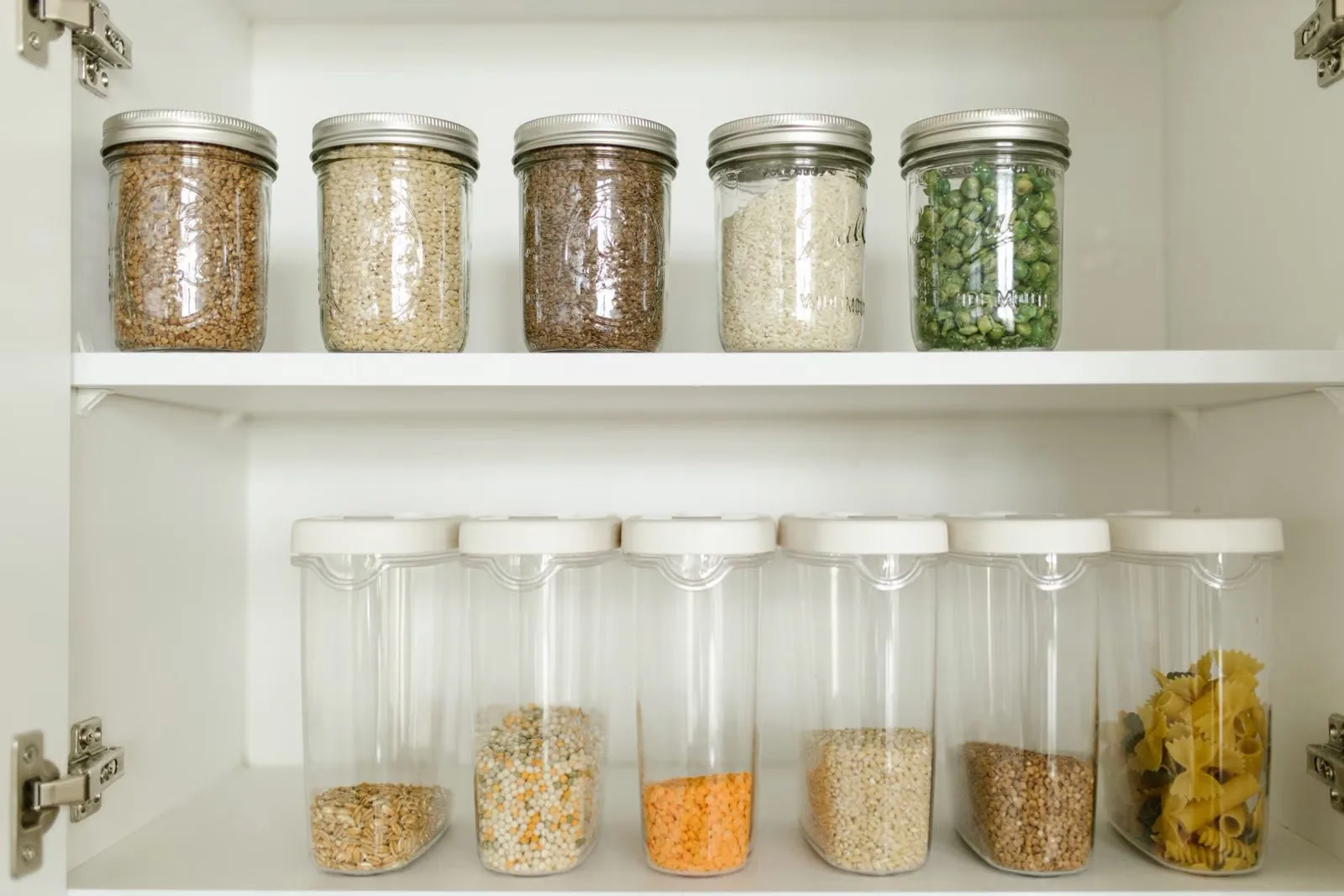
Figuring out small kitchen trash can ideas that actually work in a rental sounds simple until you live it: the can blocks the cabinet, the bag drags on the floor, and in a galley kitchen the trash is basically a piece of furniture. In a tiny kitchen, where the bin goes matters as much as how big it is.
This guide covers where to put a trash can in a tiny kitchen, which slim and tall cans fit narrow gaps, renter-safe under-cabinet and cabinet-door options that need no drilling, and how to keep odors under control in a small space — all sized for one- or two-person households.
Where to Put a Trash Can in a Tiny Kitchen
The first question is placement, not the can itself. Walk your kitchen and look for these often-missed spots:
- Beside the fridge or stove: the 6–10 inch gap many kitchens have beside an appliance fits a slim can perfectly and keeps it out of the main walkway.
- Under the sink: works if you keep only a small bin and zone the rest of the cabinet for supplies (see our under-sink storage ideas for renters).
- Inside a cabinet: a small bin hung on a cabinet door or sitting on the cabinet floor hides the trash entirely — great for studio apartments where the kitchen is part of the living room.
- The end of the counter run: if there is a dead-end counter, a slim can tucked against it stays accessible without blocking traffic.
Measure before you shop: note the width, depth, and any door-swing clearance of your chosen spot. A can that is one inch too wide for the gap is just a can in the hallway.
Slim Trash Cans for Narrow Kitchens
A slim trash can for a narrow kitchen is the easiest fix for a small apartment with no space for a standard bin. Tall, narrow cans (roughly 8–10 inches wide) slide into gaps a round or wide-rectangle can never fits, and the tall shape means you still get decent capacity — usually 8–12 gallons, which is plenty for a one- or two-person household.
What to look for when shopping:
- Foot pedal or motion sensor lid: keeps hands clean while cooking and keeps odors contained better than an open-top can.
- Rectangular footprint: wastes less space against walls and appliances than round cans.
- A removable inner bucket: makes bag changes and cleaning the can itself dramatically easier.
- Fingerprint-resistant finish: stainless steel looks great but shows every touch — a matte or dark finish stays cleaner-looking in a small kitchen.
Note: Slim cans typically cost $25–$60 depending on lid type. If your budget is tight, a basic tall kitchen can with a swing lid does the same space job for under $25 — the lid style matters less than the footprint.
Under-Cabinet and Cabinet-Door Options for Renters
An under-cabinet trash can for renters hides the bin completely, which is a huge win in a studio or open-plan apartment. Two no-drill approaches work well:
Cabinet-door hanging bins: These hook over the inside (or outside) of a cabinet door with no screws — no drill, no damage, deposit-safe. Use them for a small compost or recycling bin, or as your main trash if you cook lightly and take bags out often. Line them with small bags and empty frequently.
Over-the-door bag holders: A simple over-the-door hook or over-the-door organizer frame on a cabinet door holds a grocery bag for vegetable scraps or recycling, keeping prep waste off the counter while you cook.
If you hang a bin inside a cabinet door, choose one with a lid or at least a high back — it keeps odors in and stops scraps from tipping out when the door swings.
Pull-Out Style Without the Renovation
Real pull-out trash drawers require cabinet modifications a renter cannot make. But you can fake the effect: place a small lidded bin on a low-friction sliding mat or a cheap cabinet slider tray inside a base cabinet. Pull the tray out to toss scraps, slide it back to hide everything. It is not a true pull-out, but it gives you the same one-motion convenience with zero permanent changes.
This setup works best in a base cabinet near your prep area. Keep the bin small (2–4 gallons) so it actually fits through the cabinet opening, and use it as your food-scrap bin while a slim can elsewhere handles general trash. Pairing a hidden scrap bin with a visible main can is the system most tiny kitchens end up with — and it works.
How to Hide a Trash Can in a Rental Kitchen
When you hide a trash can in a rental kitchen, you are really solving two problems: sight lines and smell. Hiding options beyond cabinets:
- A rolling cart with a curtain: a small cart with a fabric skirt hides the bin and adds a shelf on top — bonus storage in a kitchen that needs it. See our rolling cart ideas for small kitchens for cart styles that fit tight spaces.
- The pantry or closet floor: if you have a pantry closet, the bottom shelf or floor corner works — just commit to taking it out nightly so odors do not build up in an enclosed space.
- Behind a freestanding screen or the open dishwasher door zone: not hidden-hidden, but out of the direct line of sight from the living area.
Whatever you choose, remember that hidden cans need more odor attention, not less — enclosed spaces concentrate smells.
Odor Control for Small Spaces
In a small apartment, trash smell travels fast. A lidded can is the baseline; beyond that:
- Sprinkle baking soda in the bottom of each fresh bag — it absorbs odors for days and costs almost nothing.
- Take food scraps out daily (or freeze them in a bag until trash day — the freezer trick eliminates the smell entirely).
- Wipe the inside of the can with diluted vinegar weekly; a removable inner bucket makes this a 60-second job.
- Stick an adhesive charcoal deodorizer pod inside the lid — they last a few months and need no maintenance.
- Double-bag anything especially fragrant (fish, onions) rather than letting it sit.
The freezer trick is the single best odor hack for renters: keep a bag in the freezer for meat scraps, bones, and fish, and add it to the outdoor bin on trash day. Zero smell, zero fruit flies.
Sizing for 1–2 Person Households
Bigger is not better here. A 13-gallon kitchen can is standard, but many renters do better with less:
- 8–10 gallons: the sweet spot for one or two people — small enough to fit narrow gaps, big enough that you are not taking it out twice a day.
- 5 gallons or less: good as a secondary food-scrap or recycling bin inside a cabinet.
- Two-stream setup: one slim main can plus one small recycling bin beats one giant can in a tiny kitchen, and it keeps recyclables from piling on the counter.
Take trash out on a schedule, not when it overflows — in a small space, a full can becomes the room's centerpiece fast. If counter clutter is also an issue, our guide to small kitchen counter organization pairs well with a right-sized trash setup.
Pin this: The tiny-kitchen trash formula: slim 8–10 gallon can in the appliance gap + small lidded scrap bin inside a cabinet door + baking soda in every bag = no smell, no eyesore, no wasted floor space.
FAQ
Where should I put a trash can in a tiny kitchen with no space?
Look for the gap beside the fridge or stove (a slim 8–10 inch wide can fits most), under the sink if space allows, or inside a base cabinet using a small bin on a sliding tray. Measure the width and door-swing clearance before buying — the right footprint matters more than the brand.
Can I mount a trash can on a cabinet door as a renter?
Yes — choose bins that hook over the door with no screws, so there is no drilling and no damage. They work best as small scrap or recycling bins that you empty often. Pick one with a lid or high back to contain odors and prevent spills when the door swings.
How do I keep a small kitchen trash can from smelling?
Use a lidded can, sprinkle baking soda in each fresh bag, and take food scraps out daily — or freeze scraps in a bag until trash day. Wipe the can's interior with diluted vinegar weekly and consider an adhesive charcoal deodorizer inside the lid. Double-bag fish and onion waste.
What size trash can is best for a one-bedroom apartment?
An 8–10 gallon slim can is the sweet spot for one or two people: it fits narrow gaps and does not need emptying constantly. Add a small 2–5 gallon bin inside a cabinet for food scraps or recycling rather than upsizing the main can.