Bread is one of the easiest foods to waste in a small rental kitchen, and the reason is rarely the bread itself — it is the storage. The loaf sits on the counter because there is nowhere else for it, gets squashed under the toaster, dries out by the second day, and ends up in the bin before you have finished half of it. Most advice on how to store bread in a small rental kitchen assumes you have a pantry, a bread box shelf, or a deep drawer to spare, and renters usually have none of those. What you need is a method that fits the space you actually have, and the right method depends on the kind of bread you buy and how fast you eat it.
The short version: crusty loaves stay out of the fridge, in a bag or box, for two to three days; soft sandwich bread lasts a little longer the same way; and anything you will not finish in three days belongs in the freezer, sliced first. The fridge, the most common fallback in a small kitchen, is the one place bread actually goes stale faster.
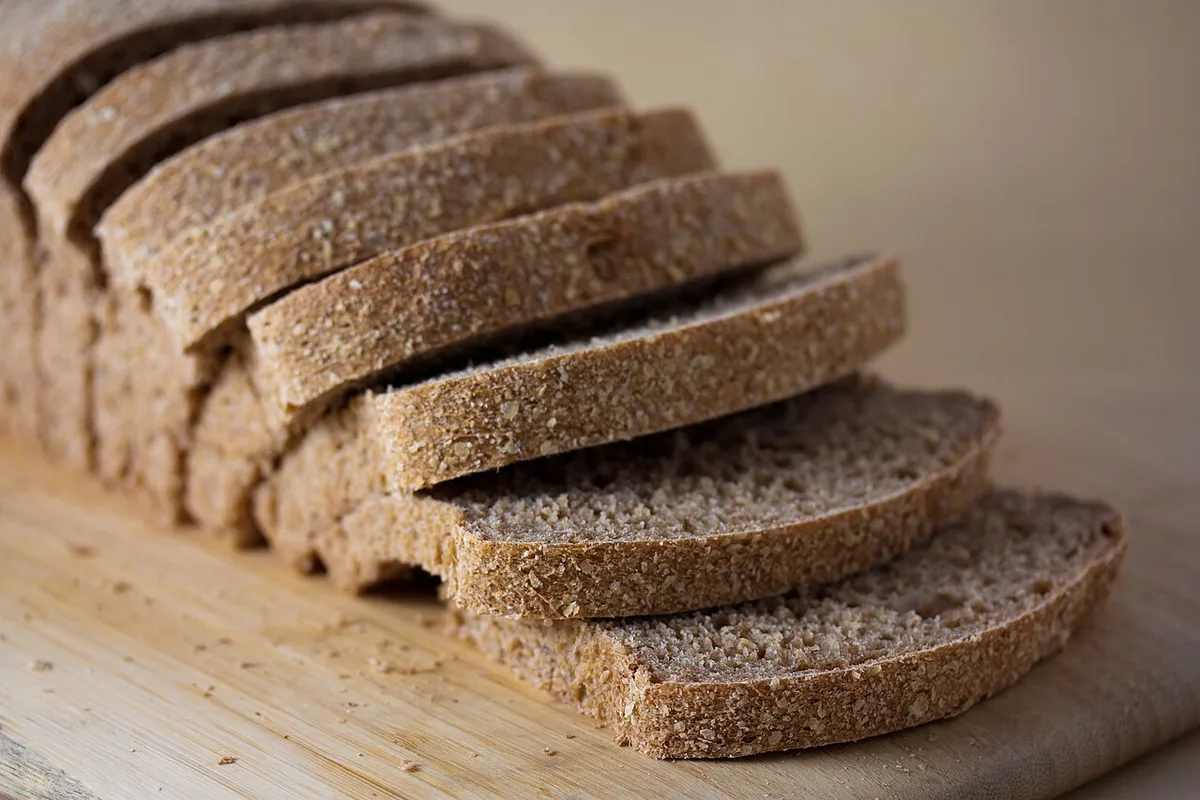
Why bread goes stale so fast — and why the fridge makes it worse
Bread goes stale for two different reasons, and they need opposite fixes. Drying out is moisture escaping into the air, which is what makes an unwrapped loaf hard as a rock. Staling is different: the starches inside the crumb recrystallize and firm up, and that process actually speeds up in the cold. Bread kept in the fridge stales up to three times faster than bread kept at room temperature, which is why a refrigerated loaf feels dry and crumbly even inside a sealed bag.
The one exception is a warm, humid kitchen where a soft loaf grows mould in two days — there, the fridge is the lesser evil, and the freezer is better still. For everyone else, keep bread out of the fridge entirely.
Crusty loaves and soft loaves need different storage
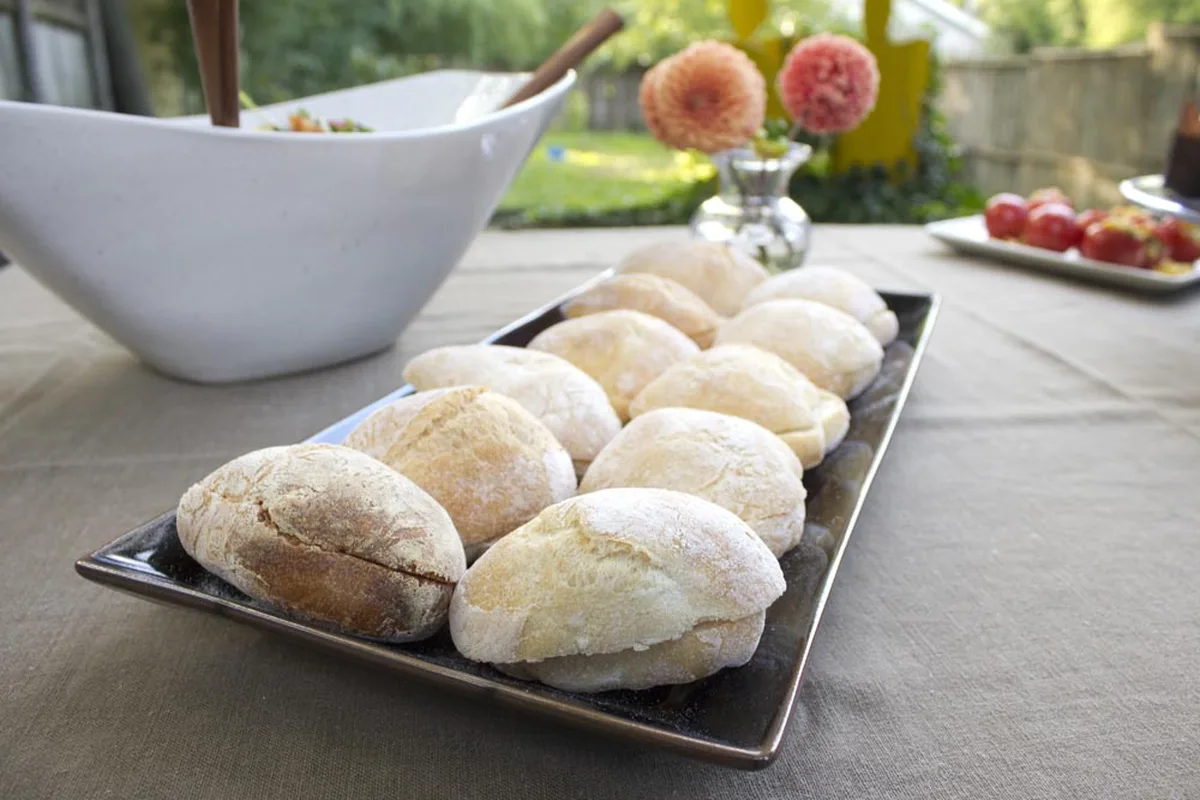
The storage method that keeps a crusty sourdough perfect will ruin a soft sandwich loaf, and vice versa. A crusty loaf — sourdough, a baguette, a country loaf — needs air circulation to keep the crust crisp. Store it cut-side down on a board, in a paper bag, or wrapped in a clean tea towel. Plastic wrap or a sealed plastic bag traps moisture, which softens a good crust into something chewy and damp.
Soft bread — sandwich loaves, brioche, rolls, pita — needs the opposite: a sealed bag that keeps the moisture in. Keep it in its original bag, twist-tied or clipped shut, or move it into a reusable bread bag. The crumb stays soft for four to five days this way. The mistake is leaving a soft loaf in an open paper bag, where it dries out in a day, or wrapping a crusty loaf in cling film, which turns the crust soggy overnight.
Bread box vs drawer vs over-fridge cabinet: the counter-space trade-off
The real question for renters is not which method keeps bread freshest in theory, but which one fits the kitchen you have. A bread box is the classic answer and it works — the ventilated box keeps crusty bread crisp and soft bread protected, and it holds a full loaf plus rolls. The problem is footprint: a standard bread box takes up roughly the space of a toaster on the counter, and in a small rental kitchen that is the most expensive real estate in the room.
The drawer method is the renter's best compromise. A single deep drawer — even a narrow one — can hold a loaf, a bag of rolls, and a clip, all out of sight and off the counter. Keep the bread in its bag inside the drawer rather than loose. The baking sheet and cutting board storage guide covers the same drawer-filing trick for flat items, and the principle is identical: vertical filing in a drawer beats a pile on the counter. If your only drawer is full of cutlery, look at the top of the fridge — a loaf in a bag fits on top of most fridges, costs zero counter space, and sits away from the oven's heat. The one place to avoid is the cabinet directly above the stove, where rising heat dries bread out fast.
The sliced-freezer method: the best fix for small kitchens
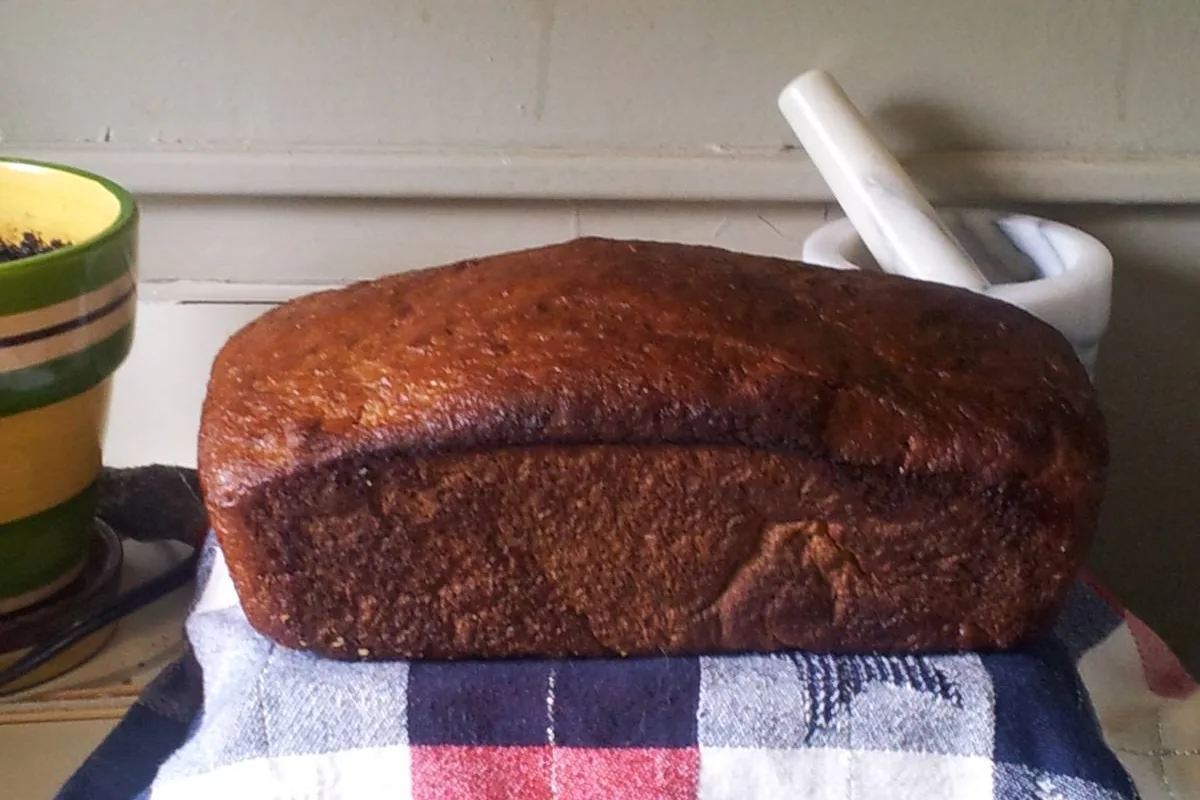
For a small household that does not finish a loaf in three days, the freezer is not a backup plan — it is the main plan. Slice the whole loaf the day you buy it, put the slices in a freezer bag with a sheet of baking paper between every few slices so they do not freeze into a brick, press out the air, and freeze flat. A frozen slice goes straight into the toaster, no defrosting needed, and tastes nearly as good as fresh bread for up to three months. The small fridge organization guide has tips for fitting freezer bags into a tiny freezer.
This method solves the two problems renters actually have: it stops waste, because you only thaw what you eat, and it stops the counter clutter, because the loaf lives in the freezer instead of on the worktop. It works best for sandwich bread, sourdough, and rolls — anything you would toast anyway. It is less useful for baguettes you want to eat fresh and crusty the same day, so buy those in smaller quantities and eat them first. Label the bag with the date, so a three-week-old loaf does not get mistaken for a three-month-old one.
Keep bread away from heat and steam
Heat is the silent bread killer in a small kitchen, because the counter is usually right next to the oven and the toaster. A loaf stored beside the toaster gets a blast of hot air every morning, which dries out the cut end and speeds up staling. A loaf stored in the cabinet above the stove sits in rising heat every time you cook. Move the bread to the coolest, driest spot you have — a drawer on the far side of the kitchen, the top of the fridge, or a shelf away from the cooking zone — and it will last a day or two longer with no other change.
The cut end deserves its own trick. Once a loaf is open, the exposed crumb dries out first, so stand the loaf cut-side down on a board or a plate, or fold the bag over the cut end and clip it shut. And if the tail end does go dry, do not throw it away: stale bread makes excellent croutons, breadcrumbs, or French toast.
What to do with bread that is already stale or mouldy
Stale bread is fixable; mouldy bread is not. A stale loaf can be revived by running the crust under the tap for a few seconds and baking it at 160°C for five to ten minutes — the steam re-softens the crumb and re-crisps the crust, and it works surprisingly well on sourdough and baguettes. If the loaf is too far gone for sandwiches, turn it into breadcrumbs, cube it for croutons with a little oil and salt, or soak it for bread pudding. A loaf that is dry but not mouldy is an ingredient, not waste.
Mould is a different story. If you can see mould on one slice, the whole loaf is affected — the visible spots are only the fruiting bodies, and the mould's threads run through the bread you cannot see. Do not cut off the mouldy part and eat the rest; throw the loaf out. Prevention is cheaper than the cure: in a warm, humid kitchen, freeze half the loaf on day one, and keep the rest sealed and cool. The top-of-fridge storage guide shows how to use that overlooked shelf for bread and other dry goods.
📌 Pin this for later
How to Store Bread in a Small Rental Kitchen (Keep It Fresh Longer) — save it to your "Small Kitchen Organization" board.
Frequently asked questions
Should I store bread in the fridge?
No, for most loaves. Cold temperatures speed up the starch changes that make bread go firm, so a refrigerated loaf can taste stale by day two even in a sealed bag. Keep bread at room temperature in a bag or box, and freeze anything you will not finish in three days. The fridge only wins in a very humid kitchen, where mould appears before staling does.
Where should I store bread in a small kitchen with no pantry?
A deep drawer is the best renter-friendly spot — it keeps the loaf off the counter and away from heat. The top of the fridge works too, as long as the loaf is in a bag and away from the stove's heat.
How long does bread last at room temperature?
A crusty loaf lasts two to three days, and a soft sandwich loaf lasts four to five days in a sealed bag. After that, staling and mould take over. Slicing and freezing the loaf on day one extends that to three months, and a frozen slice goes straight into the toaster with no defrosting needed.
How do I keep a crusty loaf crusty?
Store it cut-side down on a board, in a paper bag, or wrapped in a clean tea towel — never in sealed plastic, which traps moisture and softens the crust. Eat it within two to three days.
Can I freeze a whole loaf of bread?
Yes, but slicing it first is much better. Slice the loaf, put baking paper between every few slices so they do not freeze together, press the air out of the bag, and freeze flat. You can then take out exactly the slices you need and toast them straight from frozen.