When you rent a small apartment, one of the most frustrating questions is where to store cleaning supplies in a small apartment that has no utility closet, no laundry room, and barely a spare shelf. The mop ends up leaning in a corner, the spray bottles multiply under the sink, and the vacuum hogs a chunk of the entryway. Sound familiar?
Good news: small apartment cleaning supply storage does not require a utility closet or a renovation. With a portable caddy, a few under-sink zones, and some clever renter-safe tricks, you can give every bottle, brush, and the broom a real home — and keep it all out of sight when guests come over.
Start With a Portable Cleaning Caddy
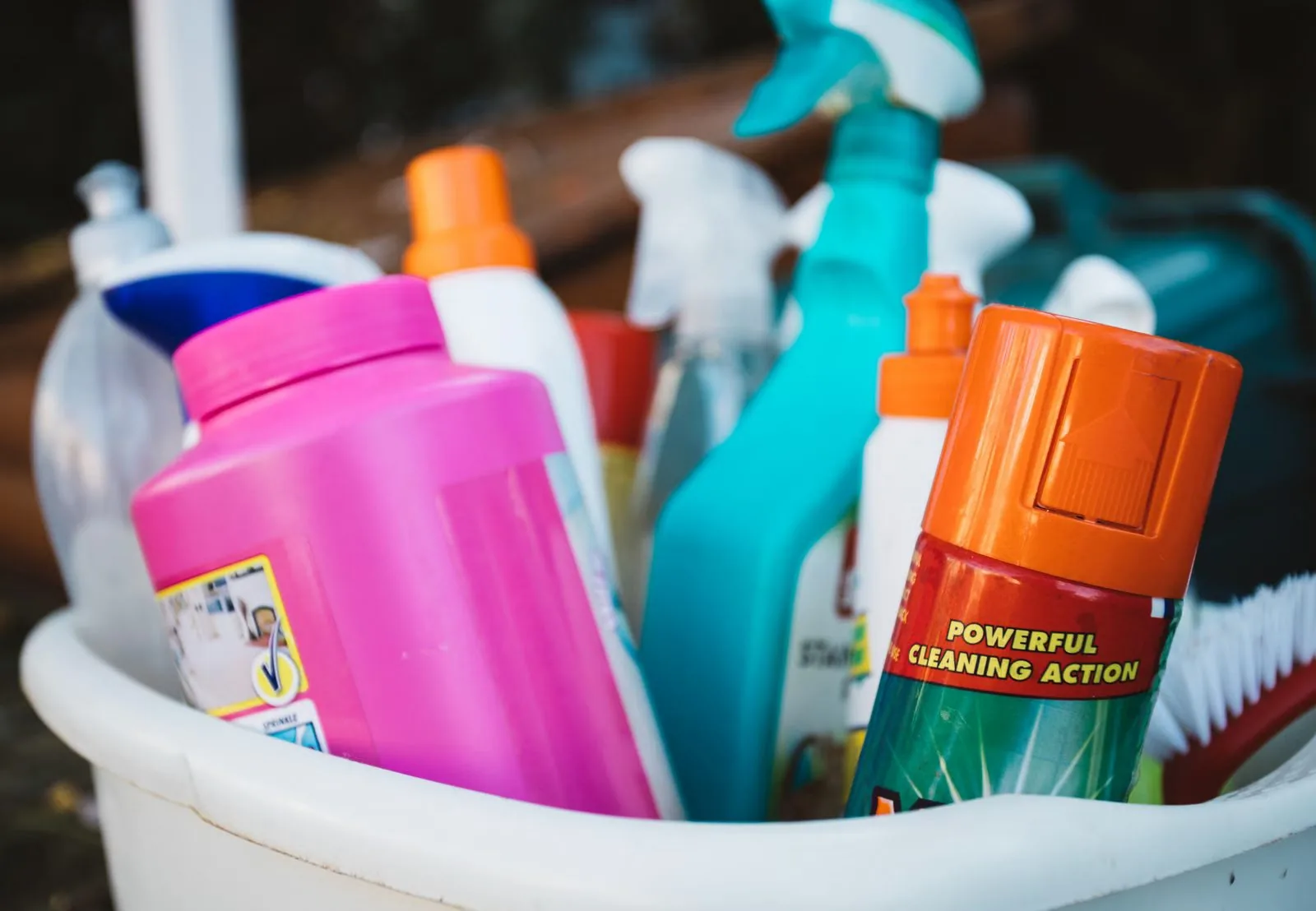
A portable cleaning caddy for renters is the single best investment for small apartment cleaning supply storage. Instead of storing supplies in five different spots, you keep one caddy with your daily-use cleaners — all-purpose spray, glass cleaner, dish soap, microfiber cloths, sponges — and carry it room to room. When you are done, the whole thing tucks into one cabinet or a closet shelf.
Look for a caddy with compartments so bottles stand upright and small items like scrub brushes do not slide around. A handle matters more than you think: you will be carrying this thing from kitchen to bathroom regularly. Most sturdy plastic caddies cost $8–$15 and last for years. If counter space is tight, pick a caddy that fits inside your most-used cabinet so it doubles as in-cabinet organization when stored.
Keep a second mini caddy in the bathroom with just toilet cleaner, an all-purpose spray, and a sponge. Two-zone storage means you never have to haul supplies across the apartment for a quick wipe-down.
Zone the Cabinet Under Your Sink
Under-sink cleaning supplies are a natural fit — it is dark, out of sight, and close to where messes happen. The problem is that the pipes make it awkward, so bottles tip over and everything ends up in a jumbled pile. Fix it with a tension rod and a few small stackable bins.
Mount a tension rod across the cabinet and hang spray bottles by their triggers — this instantly doubles your usable space. Below, use two stackable bins: one for daily cleaners, one for backups and extras like extra sponges, gloves, and refills. For more ideas, see our guide to under-sink storage ideas for renters, which covers drip trays, turntables, and other renter-safe options for this tricky cabinet.
Note: Before you load up the cabinet, check for leaks — a slow drip under the sink can ruin cardboard boxes and soak cloth items. Line the bottom with a waterproof tray (usually under $10) so any spill stays contained.
Store the Broom and Mop With No Closet
Figuring out how to store a broom and mop with no closet is the classic small-apartment puzzle. The answer is vertical wall space you already have. Adhesive broom and mop clips — the kind with spring-loaded grips — stick to the inside of a pantry door, the side of the fridge, or a narrow wall section and hold handles securely without a single screw.
Best spots to try:
- The inside of a tall kitchen cabinet door (measure the handle length first — broom handles are usually 50–55 inches)
- The side of the refrigerator or a metal utility cart, using the grips' adhesive backing
- A narrow gap between the fridge and the wall, where a slim stick vacuum or flat mop slides in on its own
- The inside of the entryway closet door, if you have one — cleaning tools and coats can coexist
If you have not bought a mop yet, a flat microfiber mop is the best choice for a small apartment: the head folds flat for storage, the pads go in the washing machine, and it needs no bucket — a huge space win. For more no-drill hanging ideas, our command hook kitchen hacks for renters covers the weight limits and surfaces that actually hold.
Claim the Narrow Gaps You Are Ignoring
Small apartments are full of dead space between and beside big items. A slim rolling cart (the kind about 5–6 inches wide) slides into the gap beside the fridge or between the washer and the wall and holds an entire cleaning kit: tall bottles, paper towels, the dustpan, even the caddy. Pull it out when you need something, slide it back when you are done.
These carts typically cost $20–$30 and come with three or four tiers. Put the things you grab most — all-purpose spray, paper towels, dustpan — on the top tier so you never have to dig. If you do not have a usable gap, check behind the bathroom door: an over-the-door organizer with deep pockets handles cleaning bottles beautifully in that otherwise-wasted space.
Hang Spray Bottles on a Tension Rod
A tension-rod spray-bottle hanger is one of the cheapest space multipliers in small apartment cleaning supply storage. Beyond the under-sink version above, a short tension rod inside a tall cabinet creates a hanging row for spray bottles, leaving the shelf below free for bulkier items like the caddy, paper towels, or the vacuum attachments.
Two placement tips that make this work:
- Use the rod only for lightweight spray bottles — heavy refill jugs belong on a solid shelf.
- Leave a little slack in rod placement so you can slide bottles aside to reach what is behind them.
Tension rods are a renter's best friend across the whole kitchen — see our full collection of tension rod hacks for rental kitchens for more ways to use them.
Keep Chemicals Safe From Kids and Pets
Child-safe cleaning storage in an apartment matters even if you do not have kids — visiting nieces, nephews, and curious pets all count. The rule is simple: anything with a warning label goes high, latched, or both.
Practical, renter-safe options:
- Move harsh chemicals (bleach, oven cleaner, drain opener) to the highest shelf you can reach comfortably, above a cabinet-door child latch that installs with adhesive, no screws needed.
- Switch to a mostly kid- and pet-friendlier lineup for daily cleaning — dish soap, diluted vinegar, and baking soda handle most jobs and are far less risky if a cabinet is left open.
- Store laundry pods and dishwasher pods in their original sealed containers on a high shelf, never in an open basket where they look like candy.
- If you use a portable caddy, make it a habit to return it to a latched cabinet or high shelf after every use — the convenience of a caddy only works if it does not live on the floor.
Pet owners: mop and vacuum cords are chew targets. Wrap cords with a velcro tie and store plug-in tools off the floor so cords are not dangling temptations.
The One-Box Overflow System
Even with all of this, supplies creep. Refills, seasonal items (oven cleaner you use twice a year), and the second bottle of everything end up somewhere random. Solve it with one labeled overflow box — a small bin on the top shelf of a closet or the very back of a cabinet. Anything that does not fit in your daily zones goes in the box; when a daily bottle runs out, you refill from the box instead of buying more. It is the simplest inventory system there is, and it stops duplicates from colonizing your limited space.
If the box is getting full, that is your signal to stop buying backups for a while — a good problem to notice early in a small kitchen. Pairing this with a small kitchen declutter checklist once or twice a year keeps the whole system lean.
Pin this: No utility closet? No problem. A $12 caddy + a tension rod under the sink + adhesive broom clips = every cleaning supply stored, renter-safe, zero drilling.
FAQ
Where is the best place to store cleaning supplies in a small apartment?
The most practical spots are a portable caddy that lives in one cabinet, the under-sink cabinet zoned with a tension rod and stackable bins, and vertical wall space for the broom and mop using adhesive clips. Together these three cover nearly everything without a utility closet. Keep overflow backups in one labeled box on a high shelf.
How do I store a broom and mop with no closet?
Use adhesive broom and mop grip clips on the inside of a tall cabinet door, the side of the fridge, or a narrow wall section — they hold handles securely with no screws. A flat microfiber mop stores much more compactly than a traditional mop and bucket. Narrow gaps beside the fridge also work for slim stick-style tools.
Is it safe to keep cleaning supplies under the sink with kids?
It can be, with precautions: add an adhesive (no-drill) child-safety latch to the cabinet door, move the harshest chemicals to a higher shelf, and consider switching daily cleaners to milder options. Always return the portable caddy to a latched cabinet after use rather than leaving it on the floor.
What size cleaning caddy is best for a small apartment?
One that fits inside your most-used cabinet — typically around 12–14 inches long. It should have compartments to keep bottles upright and a comfortable handle for carrying room to room. A second mini caddy for the bathroom keeps you from hauling supplies across the apartment.